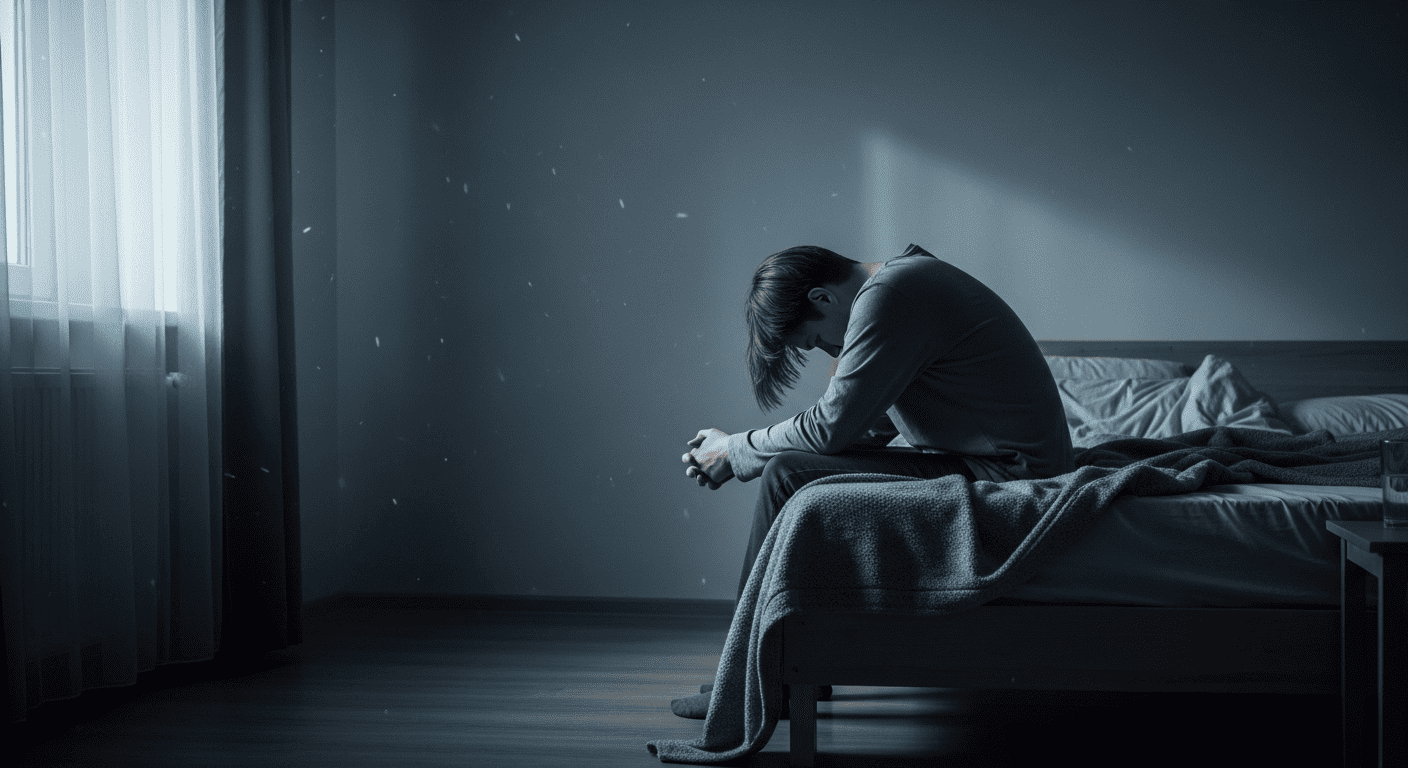

Mental health plays the most important and crucial role in our daily busy life. It often remains one of the most misunderstood and ignored aspects of the health care field. The most common and serious Mental Health conditions, such as Major Depressive Disorder. This is a mood disorder that affects. It goes far more beyond the simple sadness and it can interfere with daily life quality, work, relationships and physical health.
What is Major Depressive Disorder?
This is referred to as medical depression. This type of bad mood disorder is characterized by persistent feelings of hopelessness and loss of interest in life in all daily activities. Unlike the other sadness, it tends to pass with time. MDD remains till weeks or it can take months and requires proper treatments.
People who are suffering from Major Depressive Disorder sometimes try to find fun and happiness in daily work. It can also affect sleep time, focus and energy levels. By making them more simple in daily works, it is overwhelming. According to the mental health experts, early detection and proper treatment can lead to an effective improvement and it can be full recovery.
Major Depressive Disorder Symptoms
The main symptoms of MDD can vary from different persons . But they involve a consistent way of emotional and physical changes. Major Depressive Disorder these following symptoms are usually needed to persist for at least two weeks minimum.
Major depressive disorder symptoms are:
- Persistent sadness, feel starving and Desperation
- Loss of interest in every thing and sometimes pleasure in almost all daily activities
- Appetite and weight changes
- Insomnia and Snoozing
- Energy loss and Fatigue
- Feel worthless, guilty and self-blame
- Difficulty concentrating, thinking and making decisions
- Slowed movements or speech
- Recurrent thoughts of death and suicidal ideation
These above-mentioned symptoms range from low to high and often affect the ability of a person. Function normally at home, work and school. It is not compulsory that everyone experiences all symptoms. Depression sets differently depending on individual circumstances and environment.
Persistent Depressive Disorder vs. Major Depressive Disorder
While MDD involves parts of intense depression that may last for weeks or months. Persistent Depressive Disorder sometimes is also known as dysthymia. This is a serial form of mental depression that lasts for two years.
Key Differences:
- Time duration: Major Depressive Disorder symptoms take more time.
- Intensity: MDD causes more hard incidents of sadness and hopelessness.
- Impact: Persistent depressive disorder can make a person feel like he has always been depressed and sad. While Major Depressive Disorder may appear suddenly or after specific life events.
It is also possible for someone to experience double depression. Where persistent depressive disorder exists with episodes of major depression layered on top. Both require clinical attention and can improve with therapy and medication.
Mood Disorder: Major Depression and Its Impact
A mood disorder like major depression doesn’t just affect emotions. It influences physical health, thinking patterns and behavior. People with MDD often face challenges such as:
- Withdrawal from the social relationships and activities
- Difficulties in maintaining the focus on work or at school
- Losing motivation and productivity
- Poor sleep condition and change in eating habits
- Body pain and chronic fatigue
Left untreated the major depression can lead to serious consequences. Including substance abuse, self-harm and suicide. This underscores the importance of early intervention, professional therapy and emotional support.
Major Depressive Disorder ICD-10 Classification
The ICD-10 provides some codes for medical conditions. By including mental health disorders. MDD ICD-10 existed under the category of F32 for single parameter and F33 for recurrent depressive disorders.
This classification helps healthcare providers accurately diagnose and document depression. Ensuring standardized treatment approaches across different healthcare systems. For instance:
- F32.0 : Mild depressive Part
- F32.1 : Moderate depressive Part
- F32.2 : Severe depressive episode without psychotic symptoms
- F32.3 : Severe depressive episode with psychotic symptoms
Major Depressive Disorder Medication and Treatment Options
Treating MDD involves a combination of therapy medication and lifestyle changes. The goal is to observe the symptoms, improve mood and help the individual return to normal daily functioning life.
1. Psychotherapy
Therapies like cognitive Behavioral , interpersonal and psychodynamic therapy can be the most effective treatment options. It helps the people to understand the bad ways of thinking.
2. Major Depressive Disorder Medication
Major depressive disorder medication plays the most important role in managing the chemical imbalances in the brain. Some most common categories are:
- Selective Serotonin Reuptake Inhibitors
- Serotonin and Norepinephrine Reuptake Inhibitors
- Tricyclic AntidepressantsAtypical Antidepressants
3. Lifestyle Modifications
Workout, proper sleep and mind peace practices can support recovery. Avoiding alcohol and drugs also improves the medication effectiveness and overall mood stability.
4. Support Systems
Family members and friends play the most important role in recovery. Emotional connection helps to reduce the isolations of common struggle for those with depression.
Recognizing When to Seek Help
Many people shy to seek proper help due to the lack of awareness. Depression is just a medical condition not a sign of weakness. If you or someone else you know is with sadness, and loss of interest in life. It is important to consult and guide a mental health professional.
Early treatment significantly increases the chances of recovery and prevents symptoms, with the right treatment and support. People with Major Depressive Disorder can regain the control of their lives.
Conclusion
Major Depressive Disorder is a critical issue like Anti spectrum disorder but it is a curable mental health condition. By knowing its symptoms, diagnosis and treatment conditions. It manifests as persistent depressive disorder or recurrent major depression. Early treatment, therapy, medication and lifestyle changes can lead to full recovery and a renewed sense of purpose.
See More: Alcohol Use Disorder & Paranoid Personality Disorder