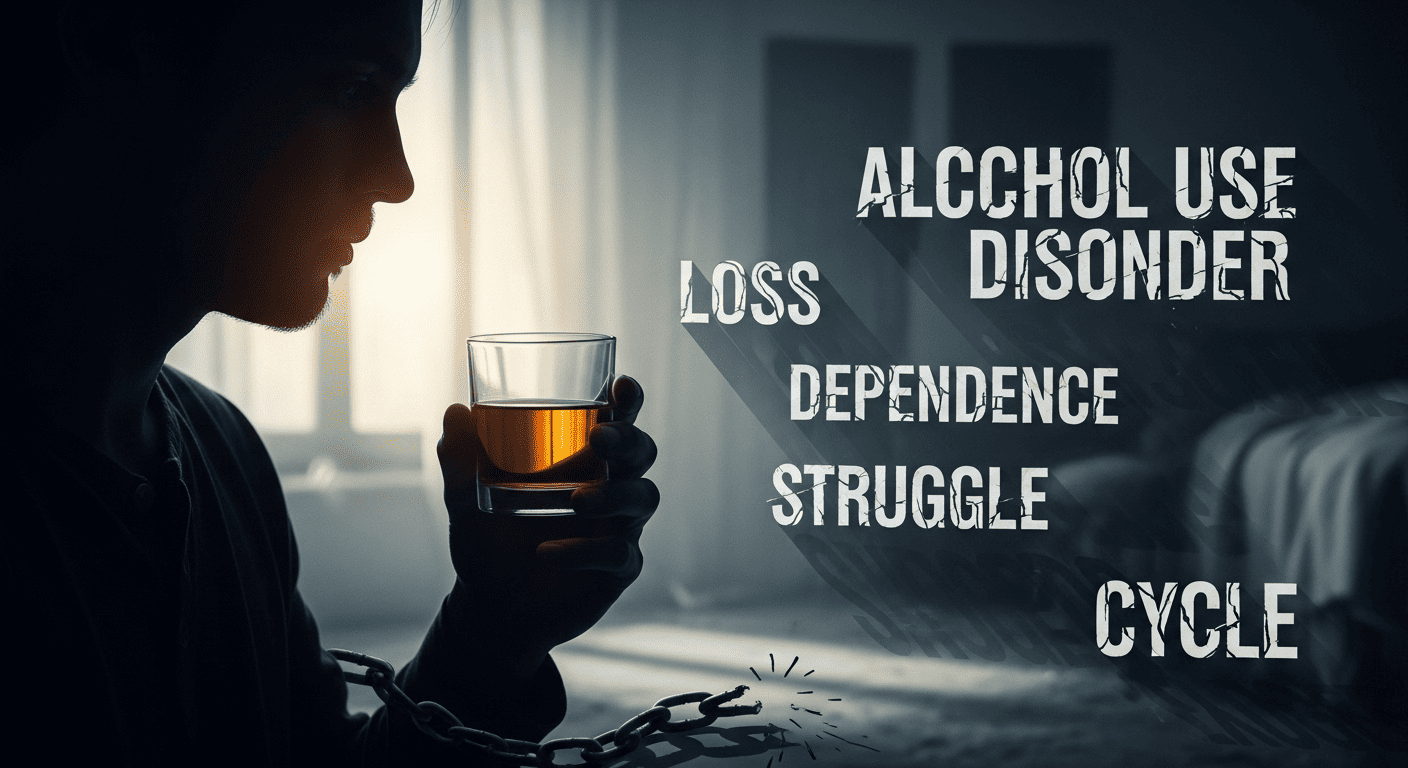

Alcohol Use Disorder (AUD) is also one of the serious medical and psychological illnesses that affect very many people around the world, and it has to do with people losing the ability to control and stop drinking alcohol and the alcohol negatively affecting their overall health, personal relationships, and responsibilities. Understanding and recognizing the signs, knowing the diagnosis criteria, (i.e. alcohol use disorder ICD-10, and Graham’s DSM-5 alcohol use disorder) and the recovering and remitting treatment options (like alcohol use disorder medications) is crucial in terms of lasting health recuperation.
Signs Symptoms Paranoid Personality Disorder
While an Alcohol Use Disorder and Paranoid Personality Disorder maybe be different illnesses, some signs and symptoms may be the same, especially to people who have both of them in the same person. Alcohol Use Disorder Individuals have behavioral changes, and affective and psychological signs of aggressed, self-isolated, and irrational suspicious behavior which can be of the signs and symptoms of the other disorder, Paranoid Personality Disorder.
- The most common and classic symptoms of an Alcohol Use Disorder include:
- Compulsive drinking and uncontrolled desire of alcohol consumption
- Involuntarily drinking alcohol in the devil’s health, relationships, and the social attachments
- Absenteeism and neglect of to-do activities in the work environment, academic activities, and house
- Unvented drinking alcohol and rest withdrawal conditions when not drinking.
The early recognizing of these symptoms can be greatly helpful to individuals and families, since it can help them seek help before the illness progresses.
Alcohol Use Disorder ICD 10
The ICD-10 (International Classification of Diseases, 10th Revision) is a set of standard codes worldwide for identifying diseases and health-related conditions. Alcohol Use Disorder is classified under the ICD-10 under the category Alcohol Related Disorders as F10.
Some of these are:
- F10.1: Harmful use of alcohol
- F10.2: Alcohol dependence syndrome
- F10.3: Withdrawal state
- F10.4-F10.9: Other alcohol-induced disorders.
By understanding these codes, healthcare practitioners are able to identify the severity of the condition and formulate the proper management guidelines.
Alcohol Use Disorder DSM 5
The DSM 5 has a similar approach in the case of alcohol use disorder. In the case of the DSM 5, a diagnosis is made under the following criteria. When at least 2 of the following 12 criteria are met in a single 12 month period.
- Drinking more, or longer than what is intended
- Persistent efforts to control drinking
- Significant amounts of time in recovery
- Cravings and Urges to drink
- Recurrence of Alcohol use disorder
- Social and interpersonal issues due to alcohol are persistent
- Recurrence of drinking related to the abandonment of the important activity
- Profound alcohol use in a situational hazard
- Persistent drinking when the disorder is made worse
- Development of tolerance
The severity of the condition in the case of the alcohol use disorder DSM 5 has is less severe ( 2-3 symptoms), more severe ( 4-5 symptoms), or most severe (6 or more symptoms), to allow more personalized treatment planning.
ICD 10 Code on Alcohol Use Disorder
As indicated, the ICD 10 code is also important to guide medical documentation, insurance claims, and established treatment protocols. As indicated, the primary code is F10, and the subcodes are generated to capture the precise nature and dimension of the disorder.
- F10.10: Alcohol abuse, uncomplicated
- F10.20: Alcohol dependence, uncomplicated
- F10.21: Alcohol dependence, in remission
These codes must be uniform in all hospitals, clinics, and research facilities, as they assist in worldwide consistency in diagnosis and care.
DSM 5 Alcohol Use Disorder
DSM 5 no longer treats alcohol abuse and alcohol dependence as separate disorders. The order now recognizes that alcohol use disorder, inclusive of “mild” symptoms, exists on a continuum. This alignment underscores the importance of co-occurring conditions such as depression, anxiety, and/or paranoid personality disorder in diagnosis and treatment complex: the presence of alcohol use disorder may not be the primary factor in a patient presenting these symptoms.
ICD 10 Alcohol Use disorder in remission
Recuperation and long-term stability from alcohol use disorder is possible and attainable. Not all alcohol use disorder codes signify a patient in active disorder, as the ICD 10 code for alcohol use disorder in remission allows clinicians to effectively document the progressive stages of a patient’s recovery.
The ICD-10 defines:
- F10.21: Alcohol dependence, in remission
The term “in remission” means that the person no longer meets the full criteria for the disorder for a certain period. Healthcare providers must closely monitor the individual and provide supportive care to prevent potential relapse. They must also effectively manage and structure triggers that could cause a relapse, as well as any co-occurring disorders. Support groups, therapy and prevention of relapse are necessary for a full and lasting remission.
Medicines for Alcohol Use Disorder
When coupled with therapy and other support and treatment plan, Alcohol Use Disorder medications prescribed for a disorder are an integral part of treatment. These medications are FDA-approved and they also include:
- Naltrexone, which dulls the enjoyment of alcohol and reduces alcohol craving.
- Acamprosate, which reduces withdrawal symptoms.
- Disulfiram, which causes a person drinking alcohol to experience unpleasant side effects, thus discouraging drinking altogether.
Topiramate and Baclofen are also used for withdrawal and craving in alcohol dependence, but for off-label use.
In relation to the other prescribed treatment, medications also achieve greater effectiveness when a person is involved in counseling and other self-help groups. A person suffering prescribed treatment with co-occurring conditions also requires integrated treatment for true and full recovery. An example of co-occurring conditions is a person suffering from depression and a paranoid personality disorder.
Closing Thoughts
Even the Alcohol Use Disorder is complicated. It can also be managed with the right knowledge and medication about the signs, symptoms and treatments. With the right diagnosis using the ICD-10 and DSM-5 systems and the right medications for the disorder. People can achieve recovery and maintain remission.
Providers can identify early signs and symptoms, and can code appropriately, as well as act on evidence-based treatments. Individuals suffering with the disorder can achieve recovery and a wellness- oriented life, with ICD-10 code for Alcohol Use Disorder, evidence-based interventions, and a supportive environment.