
Autism Spectrum Disorder (ASD) is a complex and evolving neurodevelopmental condition. This report offers a comprehensive look at ASD, pulling from clinical, psychological, and social viewpoints to give a modern and detailed picture. The current understanding of Autism Spectrum Disorder defines it as a range of neurological and developmental differences that influence social interaction, communication, learning, and behavior. These signs usually appear by age two. A main point of this report is the important difference between more people having autism and more people getting diagnosed with it. This distinction is key to understanding the statistics on ASD.
The report presents the diagnostic criteria from the DSM-5. This standard replaced separate diagnoses like Autistic Disorder and Asperger Syndrome with a single, unified spectrum label. This change simplified diagnosis but also directly impacted how we count autism cases. The report also addresses the complex cause of ASD, confirming it comes from both genetic and environmental factors. It clearly refutes the unproven link between autism and vaccines.
Beyond clinical details, this analysis explores the significant social and ethical issues of ASD. It examines the psychological burden of “masking,” where people with autism hide their natural behaviors to fit in. This act can cause deep harm. Furthermore, the report discusses the main philosophical conflict between the medical and neurodiversity models of disability. This debate influences the future of treatments, especially with Applied Behavior Analysis (ABA). The report ends by calling for a more accepting society that values different ways of thinking and still provides specific, individual support for each person’s unique needs.
Autism: A Spectrum of Experiences
Autism Spectrum Disorder (ASD) is a condition related to the brain and development. It affects how a person interacts, talks, learns, and acts. Although a person may receive a diagnosis at any age, doctors consider it a developmental disorder because its signs usually appear during the first two years of life. The word spectrum is key to understanding this disorder. It highlights the vast variety of characteristics, the different levels of severity, and the wide range of skills and difficulties an autistic person can have. This means that each autistic person has a unique experience and a distinct set of characteristics. The spectrum is not a simple scale that goes from “mild” to “severe.” Instead, it is a complex set of characteristics and the varying levels of support a person may need.
Understanding the Change in Autism Diagnosis
The way doctors understand and classify autism has changed a lot over time. In the past, conditions now seen as part of a spectrum were called Pervasive Developmental Disorders (PDD). This group included different labels like Autistic Disorder, Asperger Syndrome, and PDD-NOS (Pervasive Developmental Disorder, Not Otherwise Specified).
A major change happened in 2013 with the release of the Diagnostic and Statistical Manual of Mental Disorders, 5th Edition (DSM-5). This book combined all those separate diagnoses into one single name: Autism Spectrum Disorder (ASD).
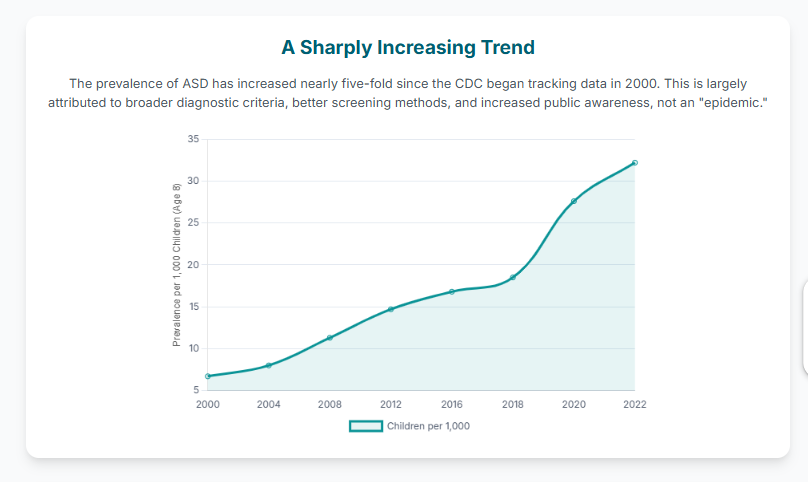
This new way of diagnosing is a key reason for the reported increase in ASD numbers. Since the criteria now include conditions previously called Asperger Syndrome or PDD-NOS, more people are now counted under the new, broader ASD category. This change in how we define and count cases accounts for much of the statistical rise in autism prevalence. It’s important to understand that this change isn’t a true increase in the disorder’s occurrence but rather a change in how we identify it. A major part of the reported rise is due to this updated diagnostic process, which now includes a wider range of people.
Diagnostic Criteria for ASD
A formal diagnosis of autism spectrum disorder (ASD) requires a person to meet criteria in two main areas.
The first area concerns deficits in social communication and interaction. These difficulties appear in several ways: a person may struggle with typical back-and-forth conversations or sharing interests with others; they might use abnormal eye contact or body language; and they may find it hard to form or maintain friendships.
The second area involves restricted and repetitive behaviors, interests, or activities. This can manifest as repetitive body movements, repeating phrases, or a ritualized use of objects. People may also show a strong need for routines and have great difficulty with changes. They might have highly focused interests with unusual intensity, like a deep fascination with specific schedules. Additionally, a person can be very sensitive or under-responsive to sensory information, reacting strongly to certain sounds, smells, or textures.
ASD Support Levels
The DSM-5 outlines three levels of support for individuals with autism spectrum disorder (ASD), which are based on the amount of help they need with social communication and repetitive behaviors.
- Level 1: Needs Support
Individuals at this level find it hard to start social interactions. Their repetitive behaviors can get in the way of daily activities.
- Level 2: Needs Substantial Support
People at this level have clear problems with both verbal and non-verbal communication. Their repetitive behaviors are obvious to others and cause issues in many different situations.
- Level 3: Needs Very Substantial Support
This level describes individuals with severe problems in daily life. They have very limited social skills, and their intense interests or obsessions greatly interfere with everyday living.
These levels offer clinicians a way to understand and plan for an individual’s specific support needs, but they are not strict categories.
The Changing Presentation of Autism Symptoms
Autism symptoms can change as people get older. Young children often show signs by age two, such as not responding to their name, not making eye contact, and not engaging in pretend play. They may also make repetitive motions, like flapping their hands or rocking their bodies.
As a person with autism gets older, symptoms may become more obvious in complex social settings. They might have trouble with executive functioning, like planning or organizing. Understanding jokes and sarcasm can also be difficult, as can navigating social interactions that are outside of a set routine.
Masking in Autism
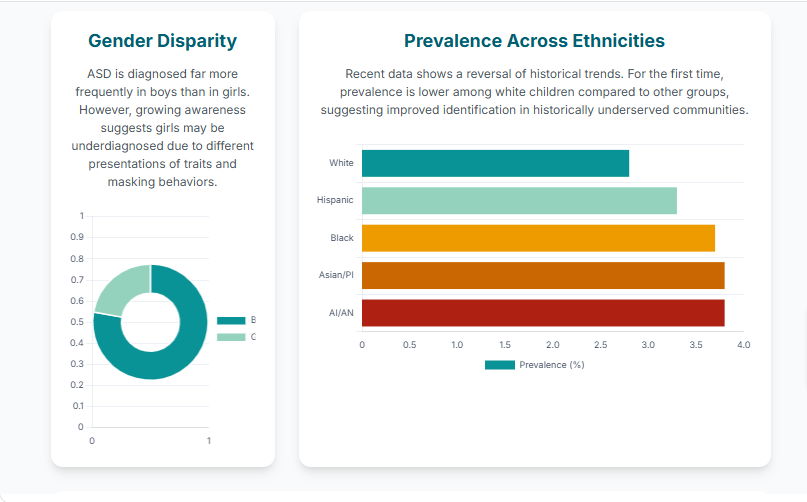
Many autistic people, especially adults, learn to mask their symptoms. This means they intentionally or unintentionally suppress their natural behaviors and adopt neurotypical behaviors to fit in. They might force themselves to make eye contact, copy other people’s gestures, and avoid talking about their personal interests. This practice is more common in girls and women. It can make them seem to cope better socially and display fewer repetitive actions. This may lead to them being misdiagnosed or diagnosed late.
Masking is a coping mechanism for people to navigate a world that is not accommodating to them. However, it can have serious negative consequences, including burnout, identity confusion, mental health problems, and suicidal thoughts. It puts an individual in a difficult position where they have to choose between social isolation and causing themselves psychological harm. This highlights the need for society to become more accepting and accommodating, rather than trying to force autistic people to change.
Difficulties in Diagnosis
Diagnosing autism spectrum disorder (ASD) can be challenging, which may cause a delay or a wrong diagnosis. These difficulties are particularly evident in certain groups.
Adults
Diagnosing ASD in adults is often complicated. Their symptoms may have gone unnoticed during childhood, or other conditions like anxiety, depression, or even dementia can obscure them. The diagnostic process requires a thorough examination of their early life development and often relies on information from family members who knew them as children.
Girls and Women
There is a significant difference in how often ASD is diagnosed in boys versus girls. One reason for this gap may be that autistic girls and women are often better at hiding their behaviors to conform to social norms. Their interests may be viewed as more socially acceptable, like reading or gardening. This ability to conceal certain traits can lead to them being mistakenly diagnosed with other conditions, such as borderline personality disorder.
Effective Treatment for Autism
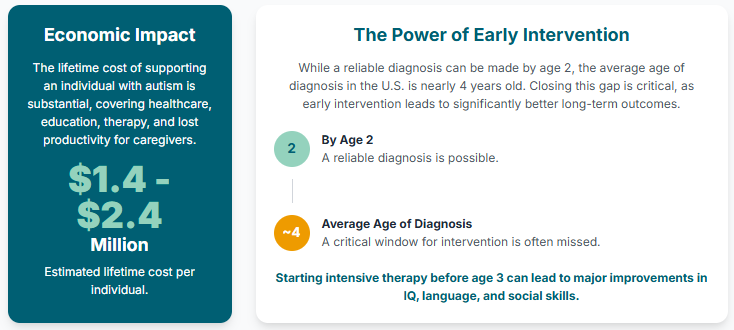
Early intervention is critical for improving outcomes for autistic people and their families. Timely access to proven psychosocial therapies can significantly enhance communication and social abilities.
Behavioral and Communication Treatments
A number of organized, evidence-based treatments target the central difficulties of autism.
- Applied Behavior Analysis (ABA): ABA is a well-established therapy grounded in the study of learning and behavior. Its main purpose is to increase helpful actions and reduce harmful ones. The therapy uses a three-step method called “A-B-C”: The Antecedent (what happens before a person acts), the Behavior (the person’s response), and the Consequence (what follows the action). Modern ABA uses positive reinforcement, like praise or a favorite object, to encourage people to acquire new abilities. Long, intensive ABA programs have a proven track record of helping many children with autism.
- Pivotal Response Training (PRT): PRT is a natural, play-based version of ABA. It concentrates on core behaviors like motivation, responding to multiple clues, and self-initiation. By focusing on these key areas, the therapy aims to create positive changes across many other skills. The goal is for a person to use these skills in different environments and with different people.
- Early Start Denver Model (ESDM): ESDM is a thorough, evidence-based program for young children ages one to four. It combines natural ABA principles with a focus on social interaction, shared fun, and communication. Studies have shown that children who receive intense ESDM show great improvements in thinking and adaptive behaviors.
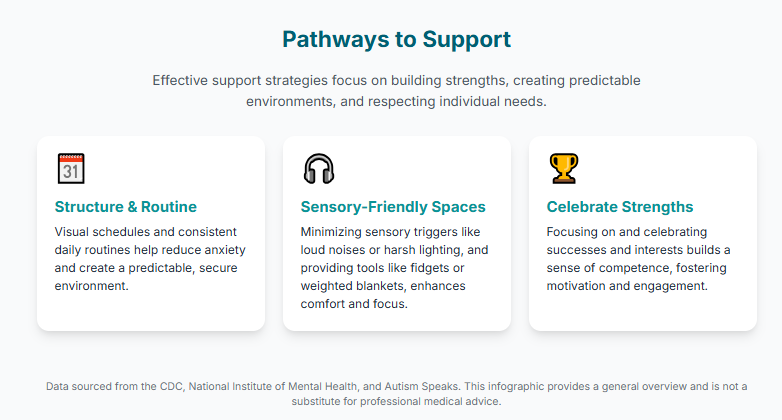
Supporting Individuals with Autism
Individuals with autism often need additional professional support. Speech therapy helps with communication, teaching ways to express needs and wants. Therapists work with families to promote better communication in everyday situations. For those who don’t speak, therapists might use gestures, sign language, or picture programs.
Occupational therapy addresses sensory issues and helps with daily tasks, while physical therapy improves motor skills and body awareness.
Medication does not treat the core features of autism. Instead, doctors may prescribe it to manage related conditions like hyperactivity, anxiety, depression, and epilepsy
Strengths and Related Conditions
Many people focus on the challenges of autism and miss the unique strengths. Autistic individuals may show superior pattern recognition, a desire to analyze systems, attention to detail, great memory, and intense focus on specific topics. This way of thinking can lead to creativity and deep knowledge. These traits are common in fields like science, engineering, and technology.
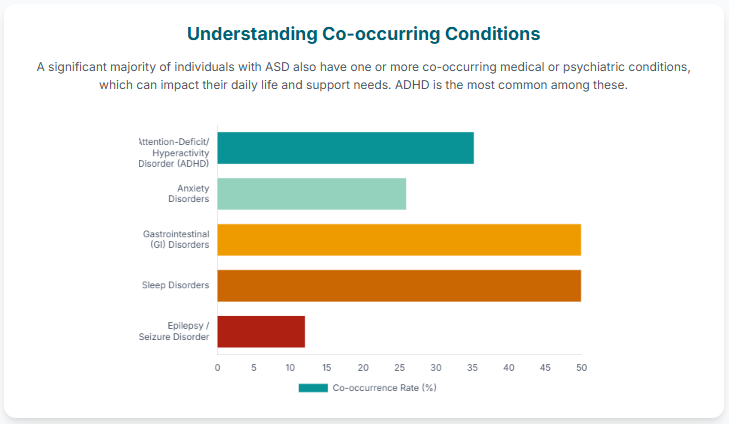
Autism often occurs with other medical and mental health conditions. ADHD is very common, affecting an estimated 28% of autistic people. Other conditions include anxiety, depression, and bipolar disorder. Physical issues like epilepsy and digestive problems are also often present.
The Future of Autism Understanding
Our understanding of autism has changed from a severe disorder to a diverse range of neurological differences. Autism is a complex condition with many causes, and diagnosis rates are rising due to better identification.
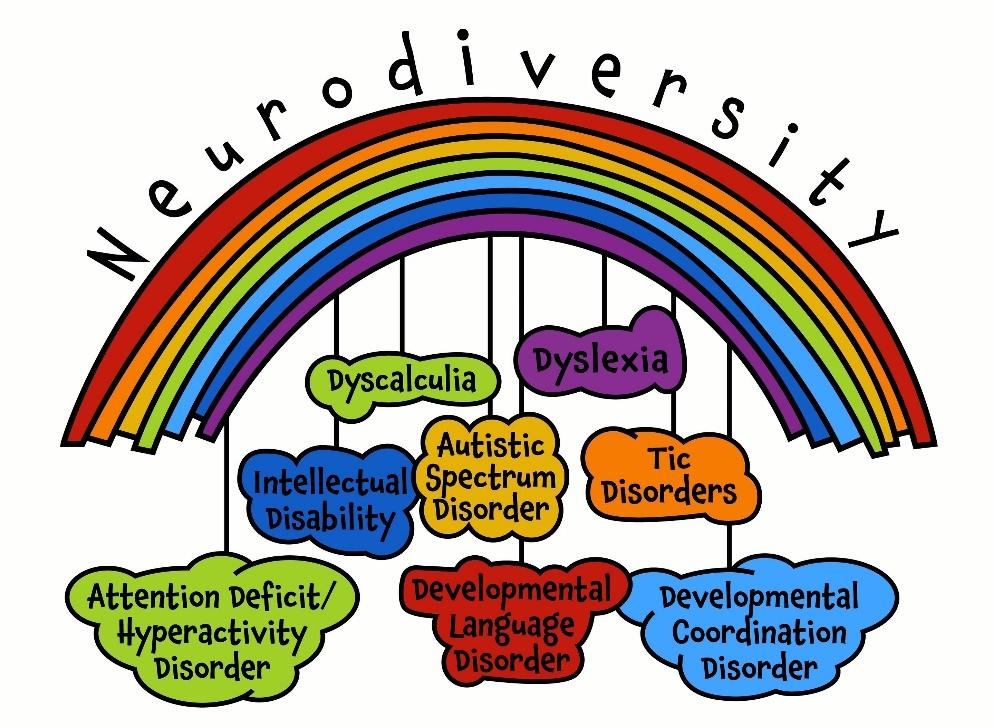
The most important issues now are not just clinical but also ethical and social. There is an ongoing debate about how to view autism: should we help the individual fit into a society that isn’t designed for them, or should society change to accept a variety of neurological expressions?
The best path forward is a balanced approach. We must respect the neurodiversity view, valuing each person’s identity and strengths while advocating for societal changes. At the same time, we must not ignore the real challenges that need therapy and support. The goal is not to fix or cure autistic individuals but to create a more inclusive society. This will ensure they have fair access to healthcare, education, and jobs, allowing them to live authentically and with dignity.