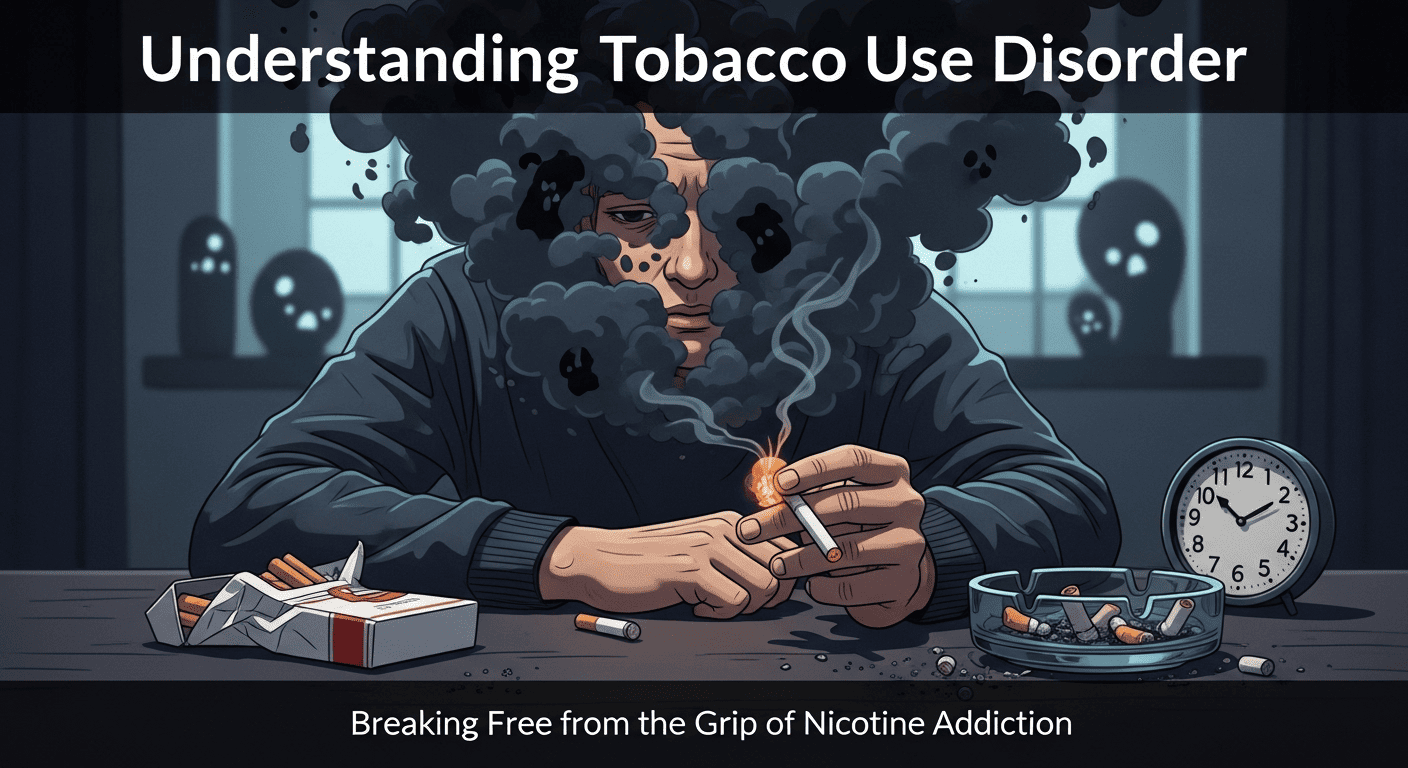

Tobacco Use Disorder typically encompasses a chronic pattern of tobacco abuse compulsively for indefinable periods. This occurs even when individuals become fully aware of the health ramifications. Chronic tobacco abuse leads to a psychological dependency and a substantial decline in overall health. The psychological dependency alone poses significant challenges when quitting tobacco in the future. The disorder is characterized in the DSM-5 and ICD-10, which further illustrates the behaviors in the disorder’s clinical and psychological significance. The tobacco abuse disorder remains the most frequently diagnosed within the sphere of addiction. Through a fundamental understanding of the disorder and its behaviors, as well as the various medical approaches to overcome the disorder in a constructive way, the disorder can be reduced significantly.
Signs Symptoms Paranoid Personality Disorder
Paranoid Personality Disorder is an independent psychiatric diagnosis. Yet one can observe similar behavior in individuals with tobacco use disorder, particularly during withdrawal. When people stop using tobacco, they may become restless, irritable, and suspicious. Although these behaviors are not prerequisite for diagnosis of PPD, they demonstrate cognitive effects and mood toxicity of nicotine. Tobacco use disorder symptoms are well documented and include craving, anxiety, and difficulty concentrating. As well as several attempts to quit and persistent use despite exacerbation of underlying health conditions. Individuals in abstinence can experience social withdrawal, irritability, nicotine craving, and even psychosis. All of which reflect brain-chemistry altered properties of tobacco. Identifying these behaviors may indicate a need for intervention.
Tobacco Use Disorder ICD 10
To document and classify disorders and problems presented by patients and consider the scope of the disorder in different healthcare settings. The “Tobacco Use Disorder ICD 10” was established. ICD 10 was created by the World Health Organization (WHO). Psychological Disorders: Mental and Behavioral Disorders due to Tobacco Use falls under the “psychoactive substance use” disorders. Subsequently, the classification aids to communicate disorders amongst clinicians. It enables research, public health, insurance claims, and epidemiology reporting to be standardized within the scope of the disorder. Most importantly, ICD 10 enables healthcare practitioners to differentiate the harmful use. And the dependence syndrome as well as the other specified disorders. This enables the healthcare practitioner to document the extent of the disorder. The healthcare practitioner can then assess the disorder and plan treatment. This assessment then goes into the global statistics of tobacco-related diseases.
Tobacco Use Disorder
The conscience disorder entails both cognitive and physiological factors. Nicotine, the foremost addictive element in tobacco, stimulates the reward system in the brain. Leading to enjoyment and the compulsion to repeat the act. Over the years, the brain accommodates these impacts resulting in neural dependence. Quite a few people will find it increasingly difficult to function without nicotine. And the dictates of withdrawal will compel them to keep smoking.
Various forms of tobacco can be consumed, including cigarettes, cigars, and chewing tobacco. As well as the more recently adapted electronic cigarettes. Most users of electronic cigarettes tend to discredit the nicotine problem. The disorder is generally socially neutral, meaning it spans all ages and various demographics, and is often initiated in the teenage years and sustained in adulthood. The younger the smoker is when tobacco use begins, the more pronounced the neural dependence will be, so the more tobacco will be needed in later years to satisfy the addiction.
ICD 10 Codes for Tobacco Use Disorder
For tobacco use disorders in ICD 10, the nature of the disorder will determine the correct ICD 10 code. The most common code is F17.2 in respect of mental and tobacco related behavioral disorders. It is possible to assign additional sub-codes to classify the disorder as current, in remission and of the dependence syndrome as well as describe associated conditions. For example, in the case of tobacco withdrawal, harmful use and tobacco-related disorders of unspecified use, clinicians will use sub-codes to document the variations.
Proper use of tobacco use disorder codes is important for clinical documentation and the epidemiology of tobacco use. In addition, it is used for collecting tobacco use disorder related clinical care reimbursement, resource allocation, tobacco cessation programming, and prevalence monitoring. It is also useful in documenting the effectiveness of tobacco use disorder treatment interventions. It is for these reasons that coding is considered integrated to the modern health care practice.
ICD 10 Tobacco Use Disorder
In clinical settings, ICD-10 tobacco use disorder diagnostic criteria shape customization of treatment plan. After a disorder has been diagnosed with the correct ICD-10 code, healthcare professionals can formulate a plan to target the disorder ‘s physical and psychological components. Integrated treatment includes behavioral therapy, craving-attenuating prescription medication, and nicotine replacement therapy like gum and patch. Counseling is crucial and focuses on helping patients develop and strengthen coping skills for tobacco triggers and stress during social situations. Integrated care is essential when tobacco use disorder co-occur with other mental disorders. This involves simultaneous treatment of addiction and co-occurring disorder to optimize outcome for both disorders. ICD-10 guidelines provide clinicians with legal and professional basis to justify their adoption of practices that align with global diagnostic criteria.
Tobacco Use Disorder ICD10
The phrase tobacco use disorder ICD10 comes from a different dialect of documentation, research, and scholarly literature. It underscores the emphasis placed on the level of precision and standardization of the ICD-10 approach. The ICD-10 documentation system ensures that records, claims, and cross-national assessments of tobacco dependence and‑issues deserve diagnostic coding. This feature serves prospective and global public health use and initiatives focused on tobacco reduction. Policy and research data analytics driven by ICD-10 assigned codes and diagnoses record public health trends that shape and inform focused initiatives and effective resource allocation. The classification further enables providers to consolidate longitudinal assessments regarding treatment progress, relapse incidence, and standardization.
Tobacco Use Disorder ICD
Tobacco use disorder includes various health conditions associated medically and psychologically with nicotine addiction. The inclusion of tobacco use disorder in the ICD by the World Health Organization reflects the serious health implications and the global impact of nicotine use. It should be noted that tobacco usage is responsible for cardiovascular diseases, chronic obstructive pulmonary disease, and a variety of cancers. The recognition of tobacco use disorders by ICD coding is one of the means by which the healthcare system values disorders. Resources and attention are then adequately allocated. It also provides relief to those suffering from disorders, and destigmatizes their condition. It encourages treatment by promoting the reality that dependence to nicotine is an addiction, less of a personal drawback, which is more promotive to a supportive recovery condition.
Conclusion
Tobacco use disorder is a serious, widespread challenge faced by individuals and society, and its classification in the ICD-10 allows for the appropriate diagnosis and capture of the condition by clinicians and public health officials. Understanding the signs and symptoms associated with the disorder, and its corresponding codes is necessary for efficient treatment and policymaking for both the condition and its associated public health issues. The integration of public health practices with existing clinical practices will facilitate the reduction of tobacco use disorder and its associated negative impacts on public health.